 La Pine, Oregon · CCB #260092
Septic systems
Installation, repair, and diagnostics for on-site wastewater systems across Deschutes County. Oregon DEQ Sewage Disposal Service License #39968.
- Oregon CCB #260092
- DEQ SDS #39968
- Bonded & insured
- La Pine · Sunriver · Bend · Redmond · Sisters
Before we quote a replacement, we find out whether you need one
A cracked tank and a failing drainfield look identical from the house. The symptoms are the same — slow drains, wet spots, backups — and the fix is an order of magnitude apart in cost.
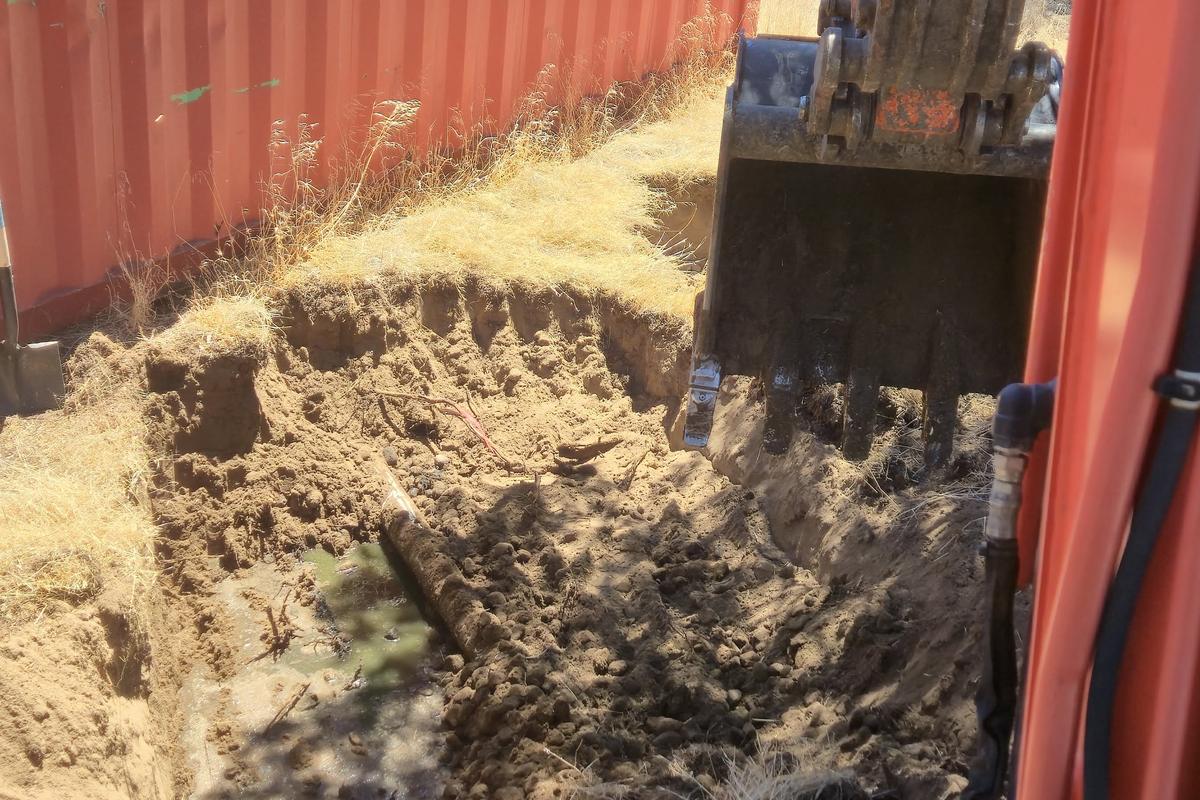
We look at the tank first, then work downstream. Exploratory excavation and scoping cost a fraction of a new drainfield, and they occasionally save you the entire expense. We have told customers their condemned tank was fine and the real problem was elsewhere, and then fixed the real problem.
County records for older systems are frequently incomplete or simply wrong. On a system where the paperwork does not match the ground, the layout has to be established by digging before anyone can responsibly propose a repair.
What south Deschutes County requires now
If you are installing a new system, altering an existing one, or doing a major repair anywhere in the La Pine sub-basin of the upper Deschutes River watershed, Deschutes County and Oregon DEQ require the maximum nitrogen-reducing Alternative Treatment Technology system available.
This is not a formality. Groundwater studies have shown that conventional septic systems in the greater La Pine area have been polluting the shallow unconfined aquifer — which is the primary drinking water source for south county residents and feeds the Deschutes River system. The ATT requirement exists to stop that from getting worse.
Practically, it means a new system here costs more and involves more equipment than a conventional system elsewhere in the state. Anyone quoting you a standard system for a new install in this area either does not know the requirement or is not planning to pull a permit.
Ongoing maintenance is part of the deal
ATT systems — along with sand filter and pressure distribution systems permitted on or after January 1, 2014 — must be maintained under a service agreement with a DEQ licensed and certified maintenance provider for the life of the system.
Your maintenance provider files the service contract, the annual inspection report, and the annual report evaluation fee with the county on your behalf. But the obligation sits with the property owner, not the provider. If the agreement lapses, that is your problem at the next property transfer.
Budget for it up front. It is a real recurring cost and it surprises people who were only quoted the installation.
High groundwater properties
Sites where groundwater sits less than 24 inches below the surface are their own category of problem. On some of these there is no system that satisfies every current siting criterion under Oregon rules, which makes replacement or remodel proposals genuinely complicated.
If you are looking at a property like this — or you already own one — the site evaluation matters more than the quote. Get the ground assessed before you commit to a plan.
Why the county cares about nitrates
The federal drinking water standard for nitrate as nitrogen is 10 mg/L. That limit exists to prevent methemoglobinemia — the condition sometimes called blue baby syndrome, where an infant's blood carries nitrogen instead of oxygen.
In south Deschutes County the aquifer that would carry that nitrate is shallow, unconfined, and is the drinking water for the people living above it. That is the whole reason for the ATT requirement, and it is why the county treats a septic permit here as a groundwater question rather than a paperwork exercise.
There is also financial assistance available for some property owners in the affected area. If cost is what is stopping you from dealing with a failing system, it is worth asking the county before you assume you cannot afford it.
Help paying for it
Cost is the reason some owners let a known problem sit longer than they should. Two resources are worth knowing about before you assume a repair or replacement is out of reach.
Craft3 is a nonprofit community lender that has partnered with Oregon on low-interest Clean Water loans for septic repair and replacement — covering design, permitting, and installation, with no requirement for perfect credit. As of this writing the Oregon program is between funding cycles and not accepting new applications, but Craft3 says it is working to restore funding and lets homeowners sign up to be notified when it reopens. Terms and availability change, so it is worth checking directly rather than assuming either way — see craft3.org.
For financing that is not tied to income, need, or septic specifically, SurfaceTek also offers payment plan options through Hearth — see our financing page for how that works, on this or any other project.
What this covers
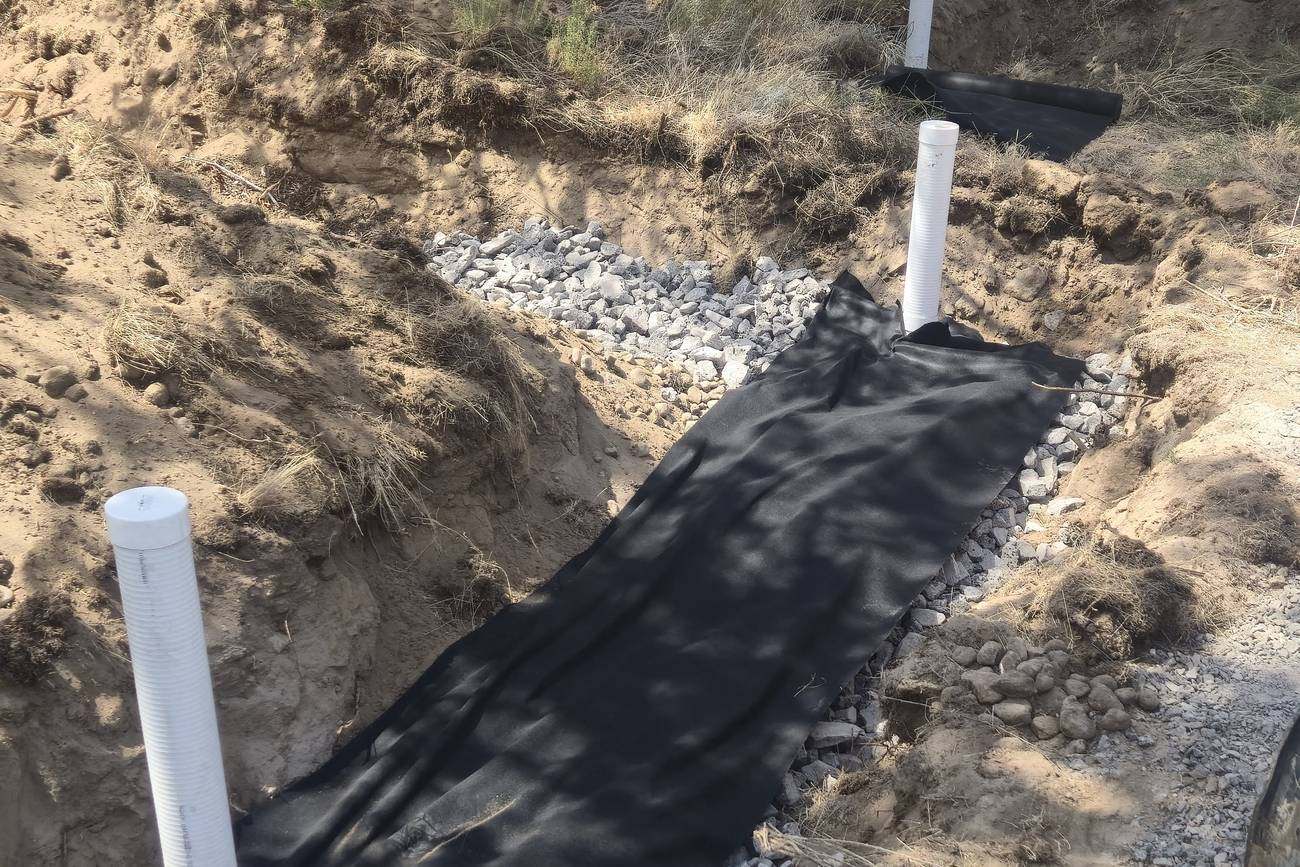
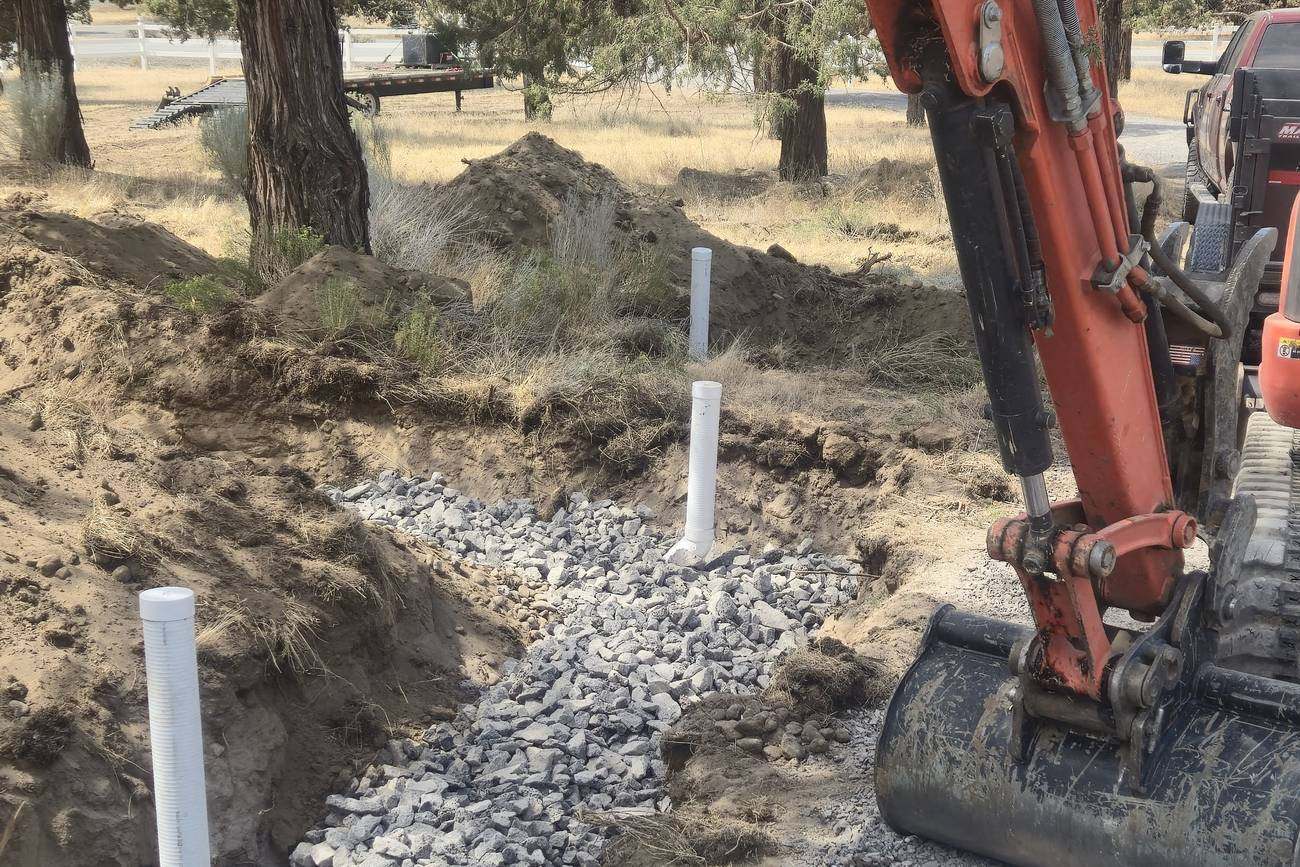
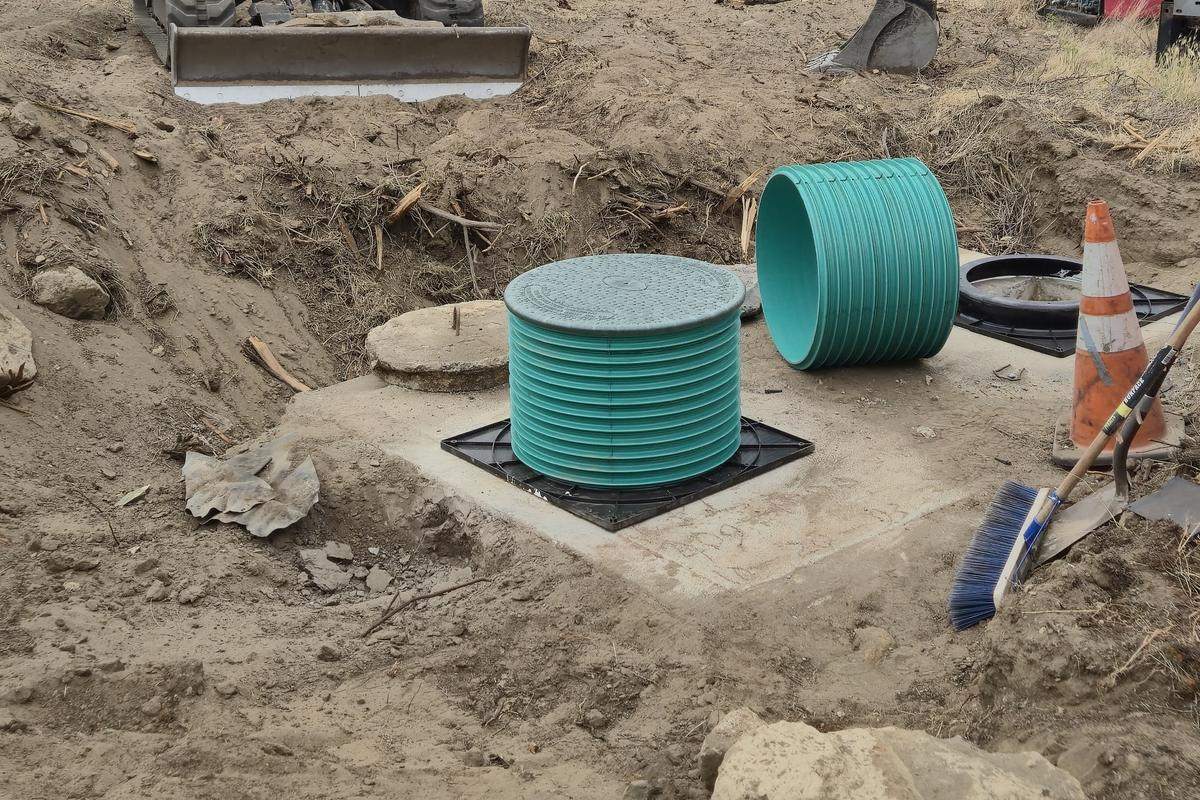
- NEW INSTALLS — INCLUDING ATT SYSTEMS
- TANK REPAIR AND REPLACEMENT
- DRAINFIELD DIAGNOSTICS AND SCOPING
- SYSTEM REJUVENATION AND REPAIR
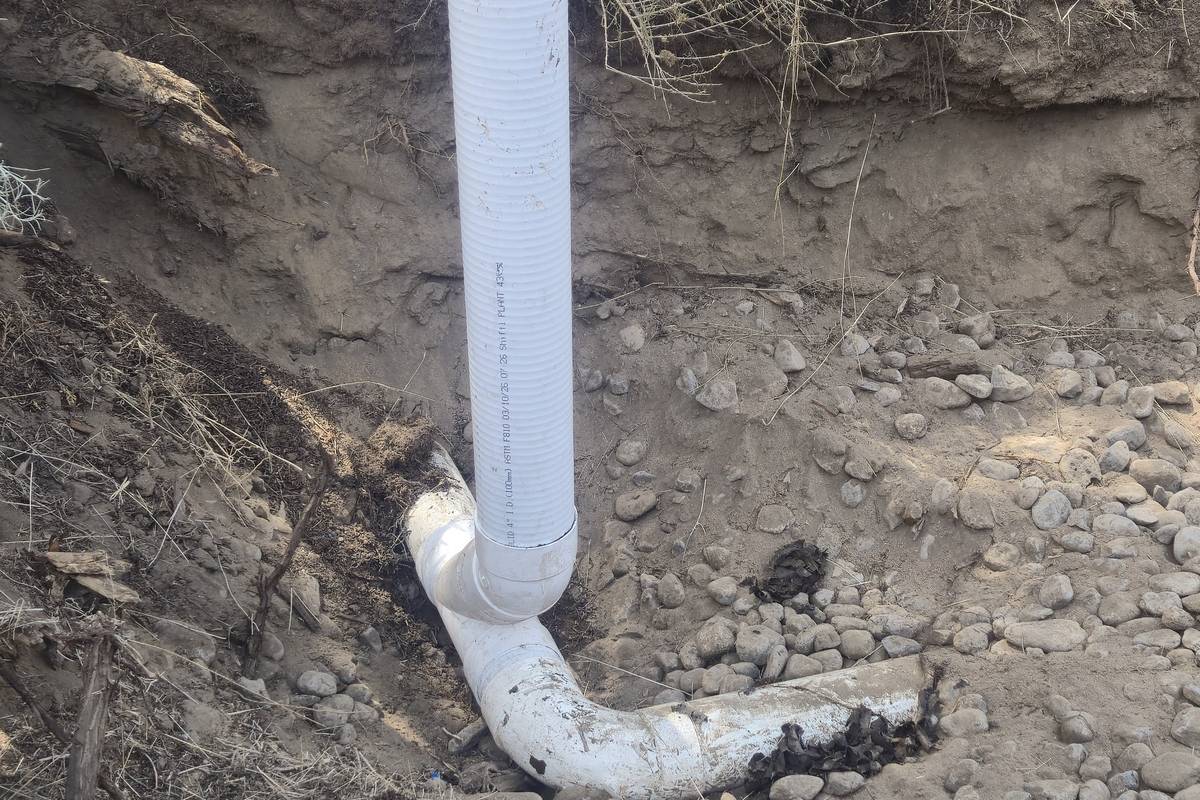
- EXPLORATORY EXCAVATION
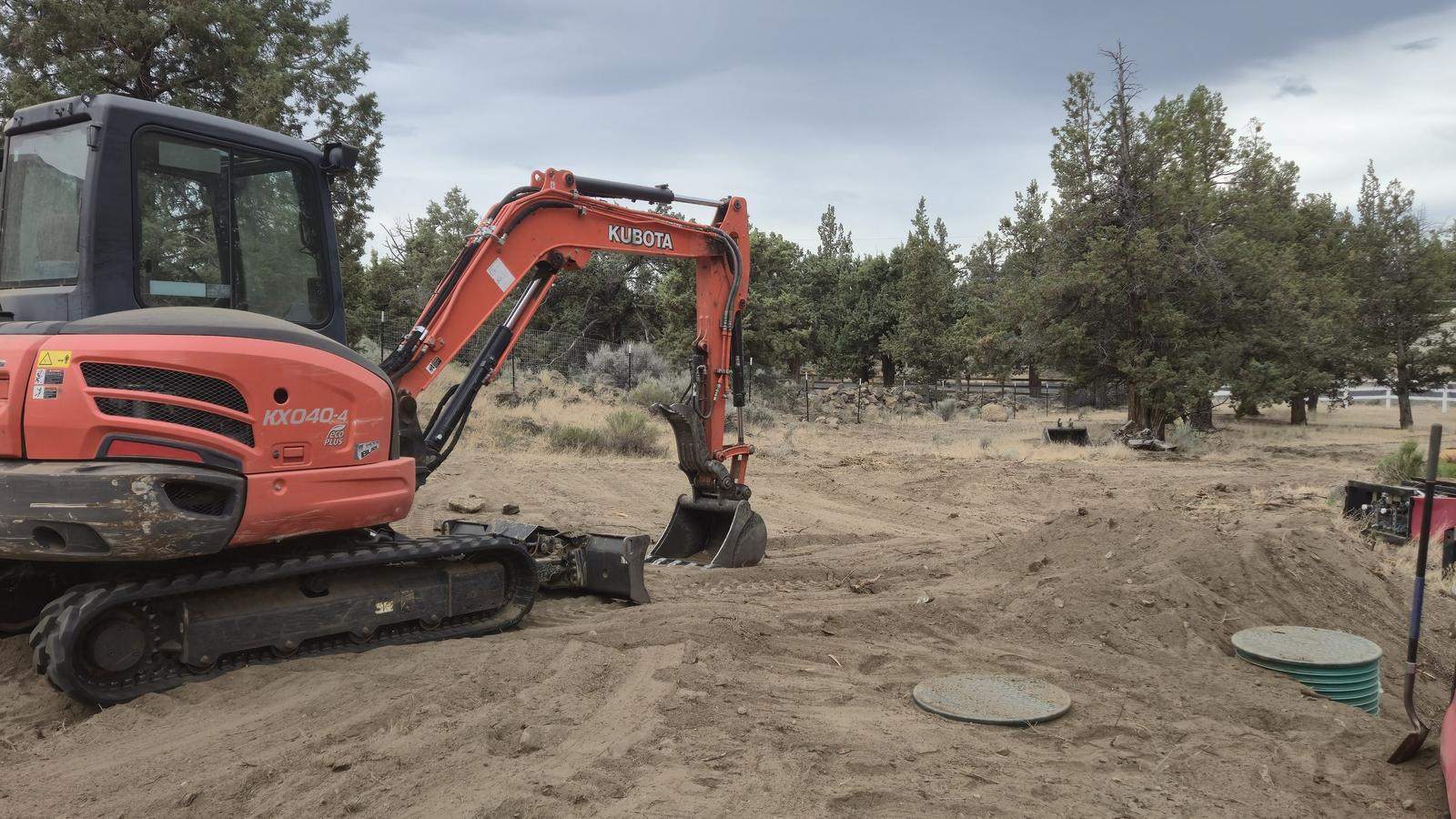
- SITE PREP FOR SEPTIC INSTALLATION
Have a failing system?
Do not assume the first quote is right. If someone has told you the tank is shot, a second look costs you a site visit.
Deschutes County publishes the current requirements, permit instructions, and financial assistance information at deschutes.org. Requirements change — confirm the current rules for your property before you plan around anything here.
Common questions
Do I need an ATT system for a new septic install?
If your property is anywhere in the La Pine sub-basin of the upper Deschutes River watershed, yes — Deschutes County and Oregon DEQ require the maximum nitrogen-reducing Alternative Treatment Technology system for new installs, alterations, and major repairs. It's a groundwater protection requirement, not a preference.
How do I know if I need a full replacement or just a repair?
We look at the tank first, then work downstream, since a cracked tank and a failing drainfield show identical symptoms from the house. Exploratory excavation costs a fraction of a new drainfield and sometimes rules one out entirely.
What ongoing maintenance does an ATT system require?
ATT systems, along with sand filter and pressure distribution systems permitted since January 1, 2014, require a service agreement with a DEQ-licensed maintenance provider for the life of the system, including annual inspections and reporting. Budget for it as a recurring cost, since it's easy to miss if you were only quoted the installation.
What if groundwater on my property is close to the surface?
Sites with groundwater less than 24 inches below the surface are a genuinely harder case, and some don't satisfy every siting criterion under current Oregon rules. Get the site evaluated before committing to a plan.
Is financial assistance available for septic repairs in this area?
Some property owners in the affected south Deschutes County area may qualify for county assistance — worth asking before assuming a failing system is out of reach. Craft3, a nonprofit lender, has also partnered with Oregon on low-interest loans specifically for septic repair and replacement, though the program is between funding cycles as of this writing. See craft3.org for current status.
Can I set up a payment plan for septic work?
Yes — SurfaceTek offers financing through Hearth, which is not income-restricted and not specific to septic work. See our financing page for how it works.
Tell us about the site.
Estimates are free, and we would rather look at it in person than guess.