 La Pine, Oregon · CCB #260092
Demolition
Structures, slabs, and cleanup — down to ground that is ready for whatever comes next.
- Oregon CCB #260092
- DEQ SDS #39968
- Bonded & insured
- La Pine · Sunriver · Bend · Redmond · Sisters
Demo is straightforward until it is not
Taking down a structure is the easy part. What complicates a demolition is what turns up underneath: buried fuel tanks, old foundations nobody documented, utilities that were never capped, and abandoned septic components.
None of these are unusual. All of them change the scope, and finding them early is much cheaper than finding them with a machine.
Before anything comes down
Utilities get disconnected and capped by the appropriate parties before demolition starts — power, gas, water, and sewer or septic. This is not optional and it is not fast, so it belongs at the front of the schedule.
Older structures may contain regulated materials that require licensed abatement before demolition. Depending on age and construction, that assessment happens before we mobilize.
Permits vary by jurisdiction and by what is coming down. Worth confirming early rather than mid-project.
Slabs and foundations
Concrete comes out in sections and gets hauled off or, in some cases, broken down and used as fill where that is appropriate and permitted.
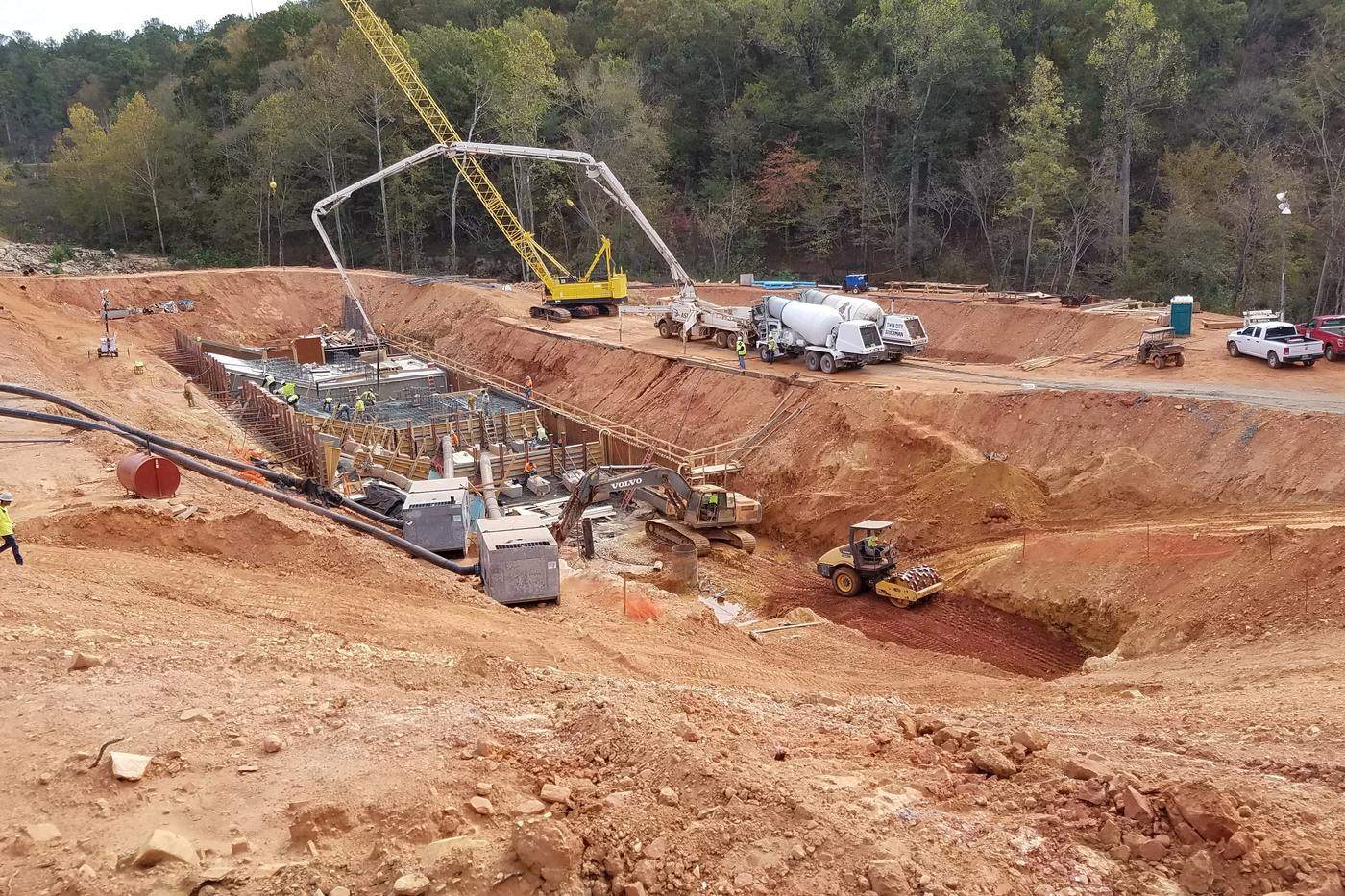
Removing a slab leaves a void that has to be filled and compacted properly if anything will be built or driven on it later. Backfilling a foundation hole with whatever is nearby creates a settlement problem for the next person.
Leaving clean ground
The end state should be ground you can actually use — graded, drained, and free of buried debris. A demolition that leaves a rough hole and a debris pile is half a job.
Where something new is going in the same footprint, the cleanup and the site prep are the same operation and cost less done together.
What this covers
- STRUCTURE DEMOLITION
- SLAB AND FOUNDATION REMOVAL
- OUTBUILDING AND SHED REMOVAL
- DEBRIS HAUL-OFF
- BACKFILL AND COMPACTION
- SITE CLEANUP AND GRADE
- PRE-CONSTRUCTION DEMO
Replacing what you are removing?
Demo and site prep for the new structure are cheaper done as one job than as two.
Common questions
Do I need a permit to demolish a structure?
Permits vary by jurisdiction and by what's coming down. Worth confirming early rather than mid-project — it belongs at the front of the schedule alongside utility disconnects, not something to handle on the fly.
What happens if there's an old foundation or buried tank nobody documented?
It's not unusual. Buried fuel tanks, undocumented foundations, uncapped utilities, and abandoned septic components turn up regularly and change the scope. Finding them early is much cheaper than finding them with a machine.
Do older structures need testing before demolition?
Depending on age and construction, older structures may contain regulated materials that require licensed abatement before demolition. That assessment happens before we mobilize.
What happens to the concrete and debris?
Concrete comes out in sections and gets hauled off, or in some cases broken down and used as fill where appropriate and permitted. Any void left behind gets backfilled and compacted properly rather than filled with whatever is nearby.
Can demolition and site prep for a rebuild happen as one job?
Yes, and it's cheaper done together. Where something new is going into the same footprint, cleanup and site prep are the same operation.
Tell us about the site.
Estimates are free, and we would rather look at it in person than guess.